Blankets and quilts serve as essential textiles for maintaining comfort, warmth, and moisture management across diverse environments. This category highlights varying fabrics, weights, and construction methods—from lightweight cotton blends to denser, insulating materials—enabling users to select pieces that complement sleep preferences, room decor, and seasonal changes while supporting overall bedding harmony.
Understanding fabric composition and weave is key to assessing performance, durability, and care requirements. For example, matelassé weaves provide texture and structure without added bulk, while organic fibers emphasize breathability and sustainability. By examining thread count, loft, and fiber type, you can balance softness with temperature regulation and long-term maintenance.
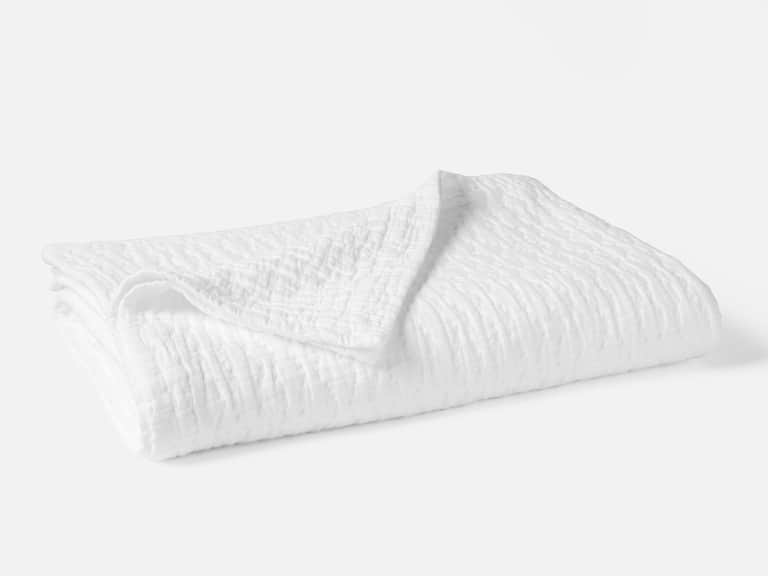
The Pescadero Organic Matelasse Coverlet represents a case study in combining tactile comfort with practical benefits. Its matelassé pattern adds dimensional depth, while organic materials promote a healthier sleep environment. This piece demonstrates how design choices impact warmth, layering capability, and ease of care within a bedding system.
Layering strategies for blankets and quilts emphasize versatility across seasons. Lightweight options pair with heavier quilts for temperature zoning, while breathable fabrics reduce overheat and promote consistent rest. Selecting appropriate weights and textures supports a cohesive bed presentation, helps with motion comfort, and enhances overall sleep quality.
Key keywords such as bedding, pillows, sheets, organic mattresses, and organic crib mattresses reflect broader category relevance. This informational overview underscores the role of textiles in sleep ecosystems, revealing how textile choices influence comfort, hygiene, and usability in daily routines and long-term seasonal adjustments.
 Bedding