Carolina Upholstered Bed

Choosing the Best Mattress for Back Pain: An Evidence-Based Guide

Back pain is a common sleep disruptor, shaping mornings with stiffness and evenings with lingering discomfort. This guide synthesizes sleep science and product features to help you select a mattress that supports spinal alignment, reduces pressure points, and promotes restful nights. Drawing on historical perspectives and modern research, we explore how firmness, support, and materials intersect with sleep posture to influence outcomes for a broad range of sleepers.

1. Sleep posture and the backbone of support

The human spine is designed to maintain its natural curves as it rests. When a mattress fails to support these curves, muscles must compensate, leading to tension, altered breathing patterns, and a night of restless tossing. The most effective mattresses align the spine in a neutral position across sleep positions—back, side, and stomach—while distributing pressure away from high-sensory zones like shoulders, hips, and lumbar regions.

Research across sleep laboratories and clinical settings emphasizes a triad of factors: support, contouring, and temperature regulation. Support refers to how well a mattress keeps the spine aligned; contouring is about how the surface adapts to the body's curves without creating pressure points; temperature regulation ensures the sleeper remains comfortable throughout the night, preventing awakenings driven by heat or moisture.

For back pain specifically, evidence points to medium-firm to firm surfaces as a baseline for many sleepers seeking stable lumbar support. Yet the ideal firmness is not a universal constant. Body weight, bone structure, and sleep position all influence how a given mattress will feel. The goal is dynamic support: a surface that feels comfortably firm but yields where it matters, around the hips and shoulders, to maintain spinal neutrality.

2. Key material categories: memory foam, latex, and innerspring hybrids

Mattress materials shape the balance between cushioning and support. The major categories—memory foam, latex, and innerspring hybrids—offer distinct advantages for back pain, depending on the sleeper’s weight, sensitivity, and preferred feel.

  • Memory foam: Known for its contouring and pressure relief, memory foam can cradle the body to reduce localized stress. For some, this subtle shaping improves alignment in the lumbar region. High-density foams often deliver durable support with less sag, though some sleepers report heat retention that may disrupt sleep. Look for open-cell structures and advanced cooling blends if temperature is a concern.
  • Latex: A resilient, breathable alternative with natural bounce. Latex surfaces tend to offer robust support with quicker recovery, helping maintain spinal alignment during movement. Natural latex variants also bring antimicrobial properties and longer lifespans, though the feel can range from soft to very firm depending on density.
  • Innerspring hybrids: Hybrids combine coils with foam or latex comfort layers. Zoned coil systems can target different regions of the bed (lumbar vs. shoulders), delivering nuanced support that benefits back-pain sufferers who require targeted stabilization. Proper edge support and coil gauge contribute to overall durability and a stable sleeping surface.

Ultimately, the best choice emerges from a blend of material behavior and individual preference. A mattress that maintains alignment without excessive pressure is more valuable than one that merely feels soft or supportive in a store display.

3. Matching firmness, pain type, and sleeping position

Back pain is not monolithic. It ranges from general low-back discomfort to specific conditions such as degenerative discs or facet joint pain. The interplay of firmness and contouring matters most where the spine deviates from neutral alignment. Three broad patterns emerge:

  • Back sleepers: Often benefit from a medium-firm surface that supports the lumbar spine without overly compressing the mid-back. A balanced contour can prevent sagging at the hips, preserving spinal alignment.
  • Side sleepers: Typically require more pressure relief around the hips and shoulders. Softer or more conforming layers can reduce rubbing and nerve pressure, but too-soft a surface risks thoracic collapse and misalignment.
  • Stomach sleepers: Usually demand a firmer surface to avoid excessive hip dip, which can flatten the spine’s natural curve and aggravate pain. However, comfort remains essential; excessive firmness can cause peripheral pressure and stiffness in the neck and shoulders.

For sleepers who share a bed with partners, motion isolation and responsiveness influence sleep quality. A mattress that minimizes partner disturbance without sacrificing spinal alignment is ideal.

4. A practical decision checklist for choosing a back-pain-friendly mattress

  • Assess your typical sleep position and dominant pain areas. Note where you feel pressure and where you experience stiffness upon waking.
  • Measure firmness against your weight. A heavier sleeper may prefer a firmer core, while a lighter sleeper may benefit from a slightly softer top layer to avoid undue pressure at joints.
  • In-store testing technique: spend 10–15 minutes on a mattress in your usual sleep posture, with a pillow and sheet setup that mirrors home conditions. Evaluate spinal alignment, comfort, and breathability.
  • Inspect the layers: look for a durable, high-density support core, with an upper contouring layer that cushions pressure points without allowing sag in the lumbar region. If possible, assess edge support to gauge long-term resilience.
  • Warranty and return policies: understand how long you can test the bed, what constitutes acceptable sag, and how back-related comfort is treated within the warranty.

5. A guided approach to testing and evaluation

Testing a mattress is more nuanced than a quick lie down. When evaluating for back pain, consider the following process:

  1. Init posture check: lie on your back for five minutes, then switch to your typical side or stomach position if applicable. Observe whether your spine remains neutrally aligned.
  2. Pressure mapping: consider how the surface distributes weight across the hips and shoulders. A balanced surface reduces peak pressure in contact zones while maintaining lumbar support.
  3. Motion and micro-movements: monitor whether slight shifts during sleep cause visible sag or uneven surface response, which can signal future disturbances for restless nights.
  4. Temperature and breathability: assess how the mattress feels in terms of heat dissipation and moisture management. A cooler surface generally supports longer sleep periods.
  5. Durability indicators: inquire about materials, density, and constructs. Higher-density foams and robust coils typically contribute to longer-lasting support.

A scientifically grounded approach paired with a practical testing routine can help you identify a mattress that aligns with your back health goals while offering durable comfort.


Three Key Individuals Across Time

The evolution of sleep science and mattress design owes much to voices across eras. Their ideas, though born of different contexts, converge on a common aim: a sleep surface that respects the body and fosters restorative rest.

  • Hypatia of Alexandria (c. 360–415 CE) — A mathematician and philosopher whose insistence on rigorous reasoning foreshadowed modern methods of evaluating evidence. In sleep science, her spirit echoes in careful, data-guided analysis of how support and materials influence spinal alignment.
  • Dr. John Harvey Kellogg (1852–1943) — A physician who championed disciplined health and wellness, advocating for balance of rest, nutrition, and physical therapy. His era seeded the idea that the sleeping surface can affect overall health and daily function.
  • Dr. sleep scientist and ergonomist contemporary figures (late 20th–21st century) — Researchers who synthesize biomechanics, neurology, and material science to optimize sleep surfaces, including zoned support and breathable foams, advancing personalized approaches to back pain relief.

These voices, spanning centuries, converge on the same necessity: a bedding system that supports the spine, manages pressure, and promotes steady, uninterrupted rest. The Cambridge-inspired ethos of thoughtful inquiry informs this guide's approach to mattress selection.

In the spirit of exploration, cambridgemattress.com strives to balance empirical evidence with practical guidance, enabling readers to navigate a crowded market with clarity and confidence.

This article draws on sleep science literature and consumer guidance to offer an evidence-based approach to selecting mattresses for back pain. Always consult a healthcare professional for persistent pain.

Related Products

Carolina Upholstered Bed

Sferra

Carolina Upholstered Bed

Made in the USA, this maplewood bed combines durability with refined style—a solid foundation, cushioned comfort, and stain-resistant fabric that looks timeless, easy to care for, and tailored to elevate your bedroom experience.
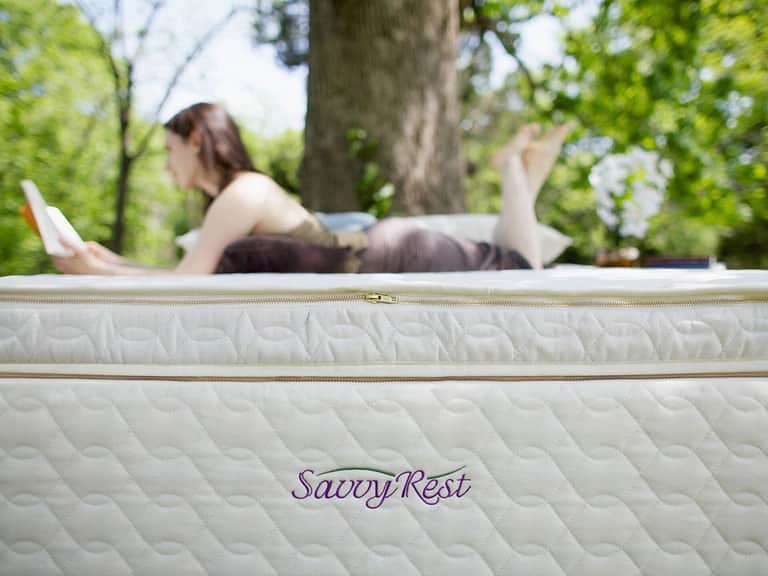
Savvy Rest Unity Pillowtop Latex Mattress

Savvy Rest · No. SAVVYREST-UNITY-PILLOWTOP-MATTRESS-13INCH-3 PIECE DUNLOP-1 TALALAY

Savvy Rest Unity Pillowtop Latex Mattress

Luxuriously plush and ultra-supportive, the Unity Pillowtop cushions tired hips and shoulders with a soft top layer, while customizable firmness and easy setup make side-sleepers smile and dream deep.
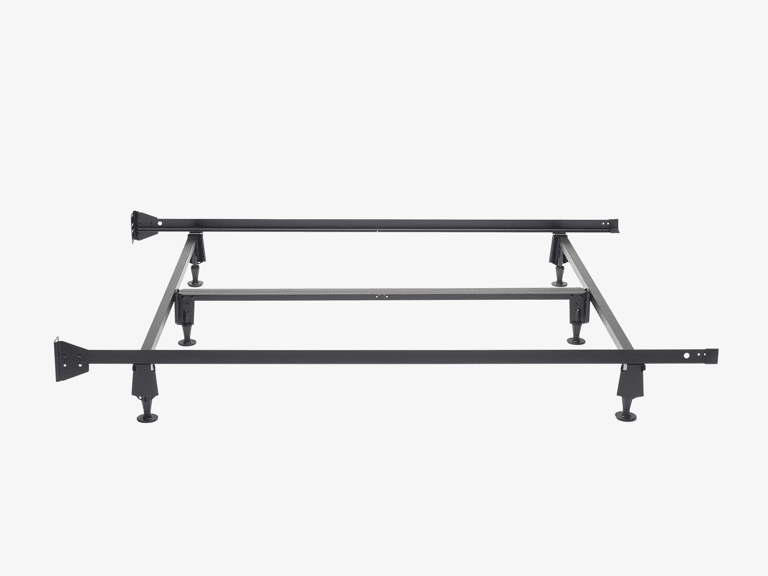
Metal Bed Frame

Casper

Metal Bed Frame

Effortless, tool-free setup pairs with Casper foundations and any Casper mattress for a seamless, durable sleep setup. Built from 100% recycled steel, it delivers steady support with a minimal footprint and long-lasting reliability.

Theme